
FORM/S
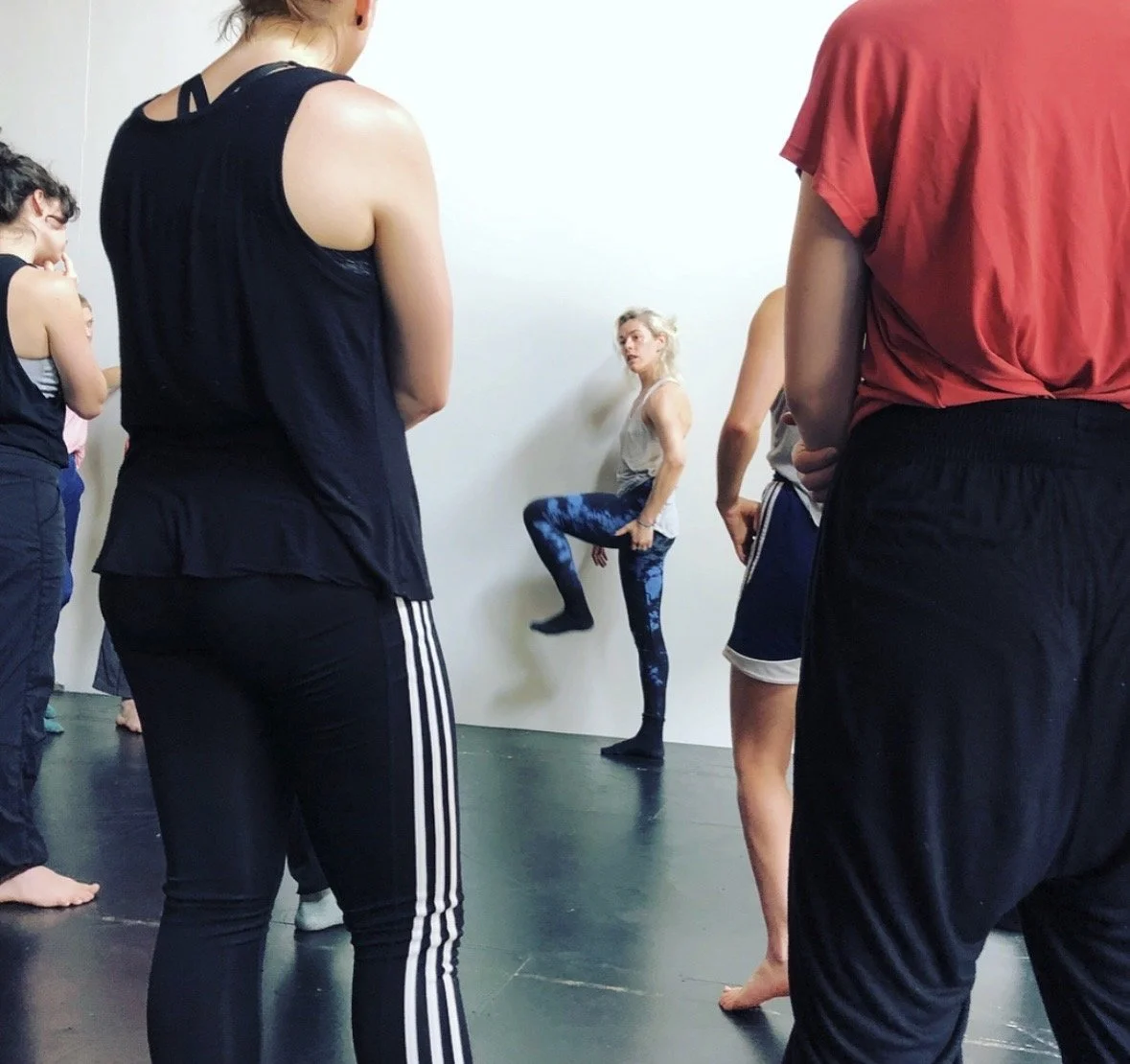
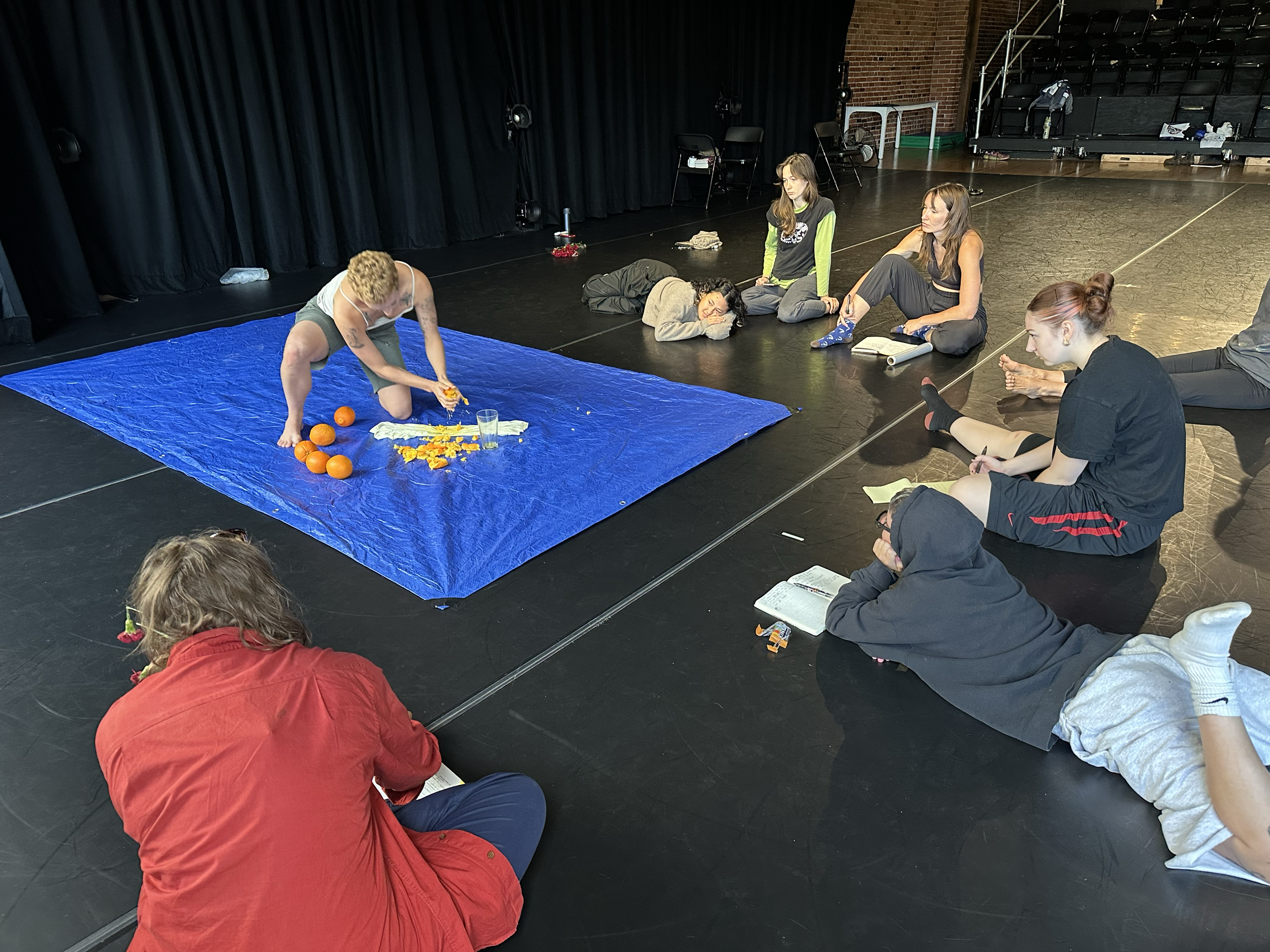
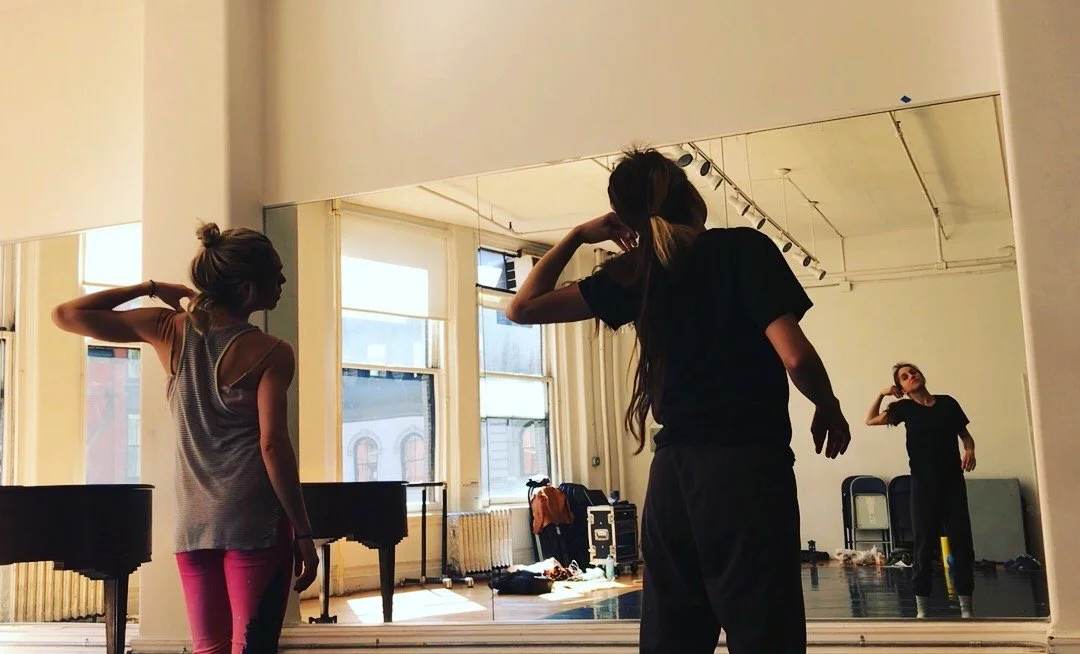
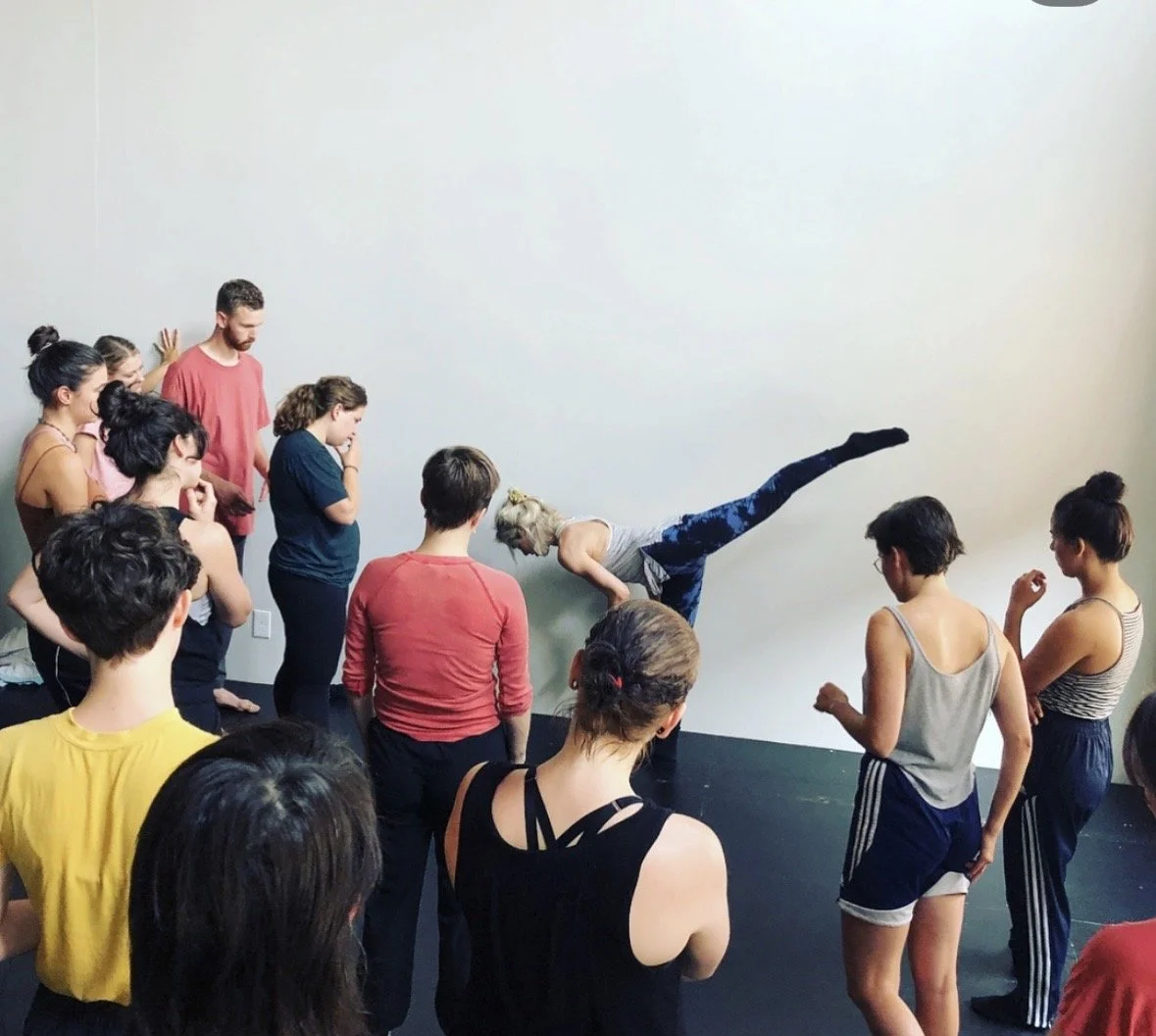
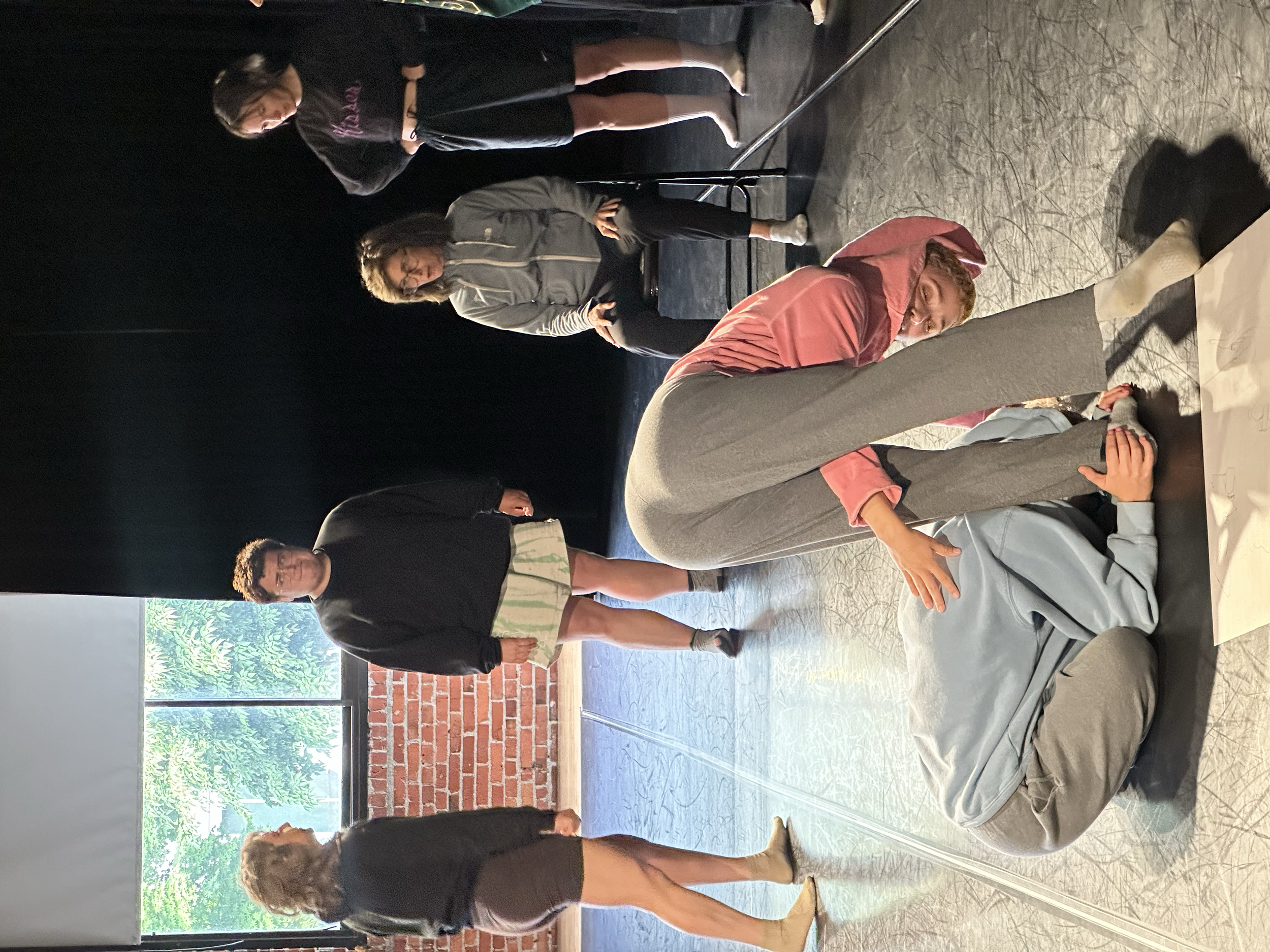
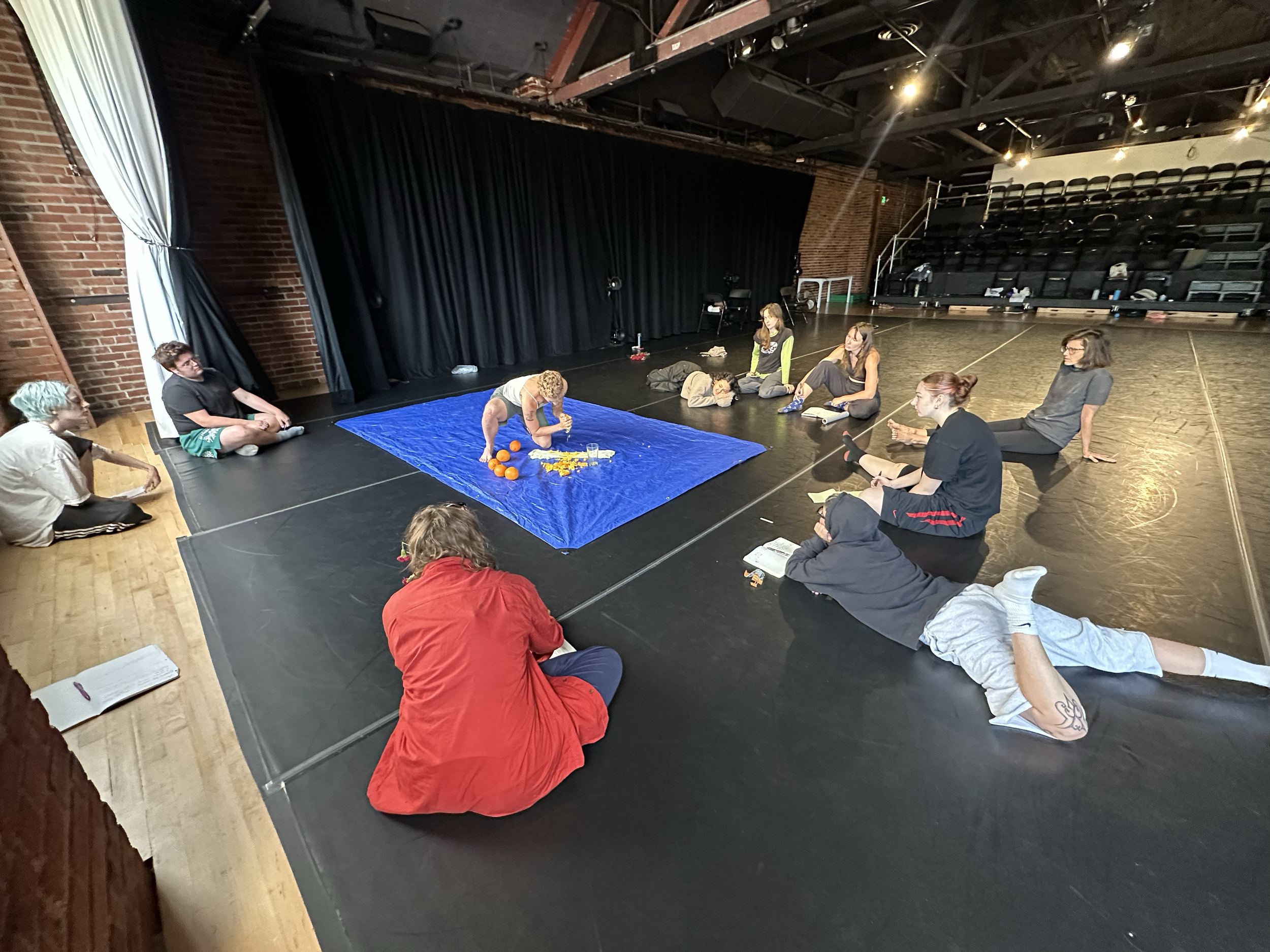
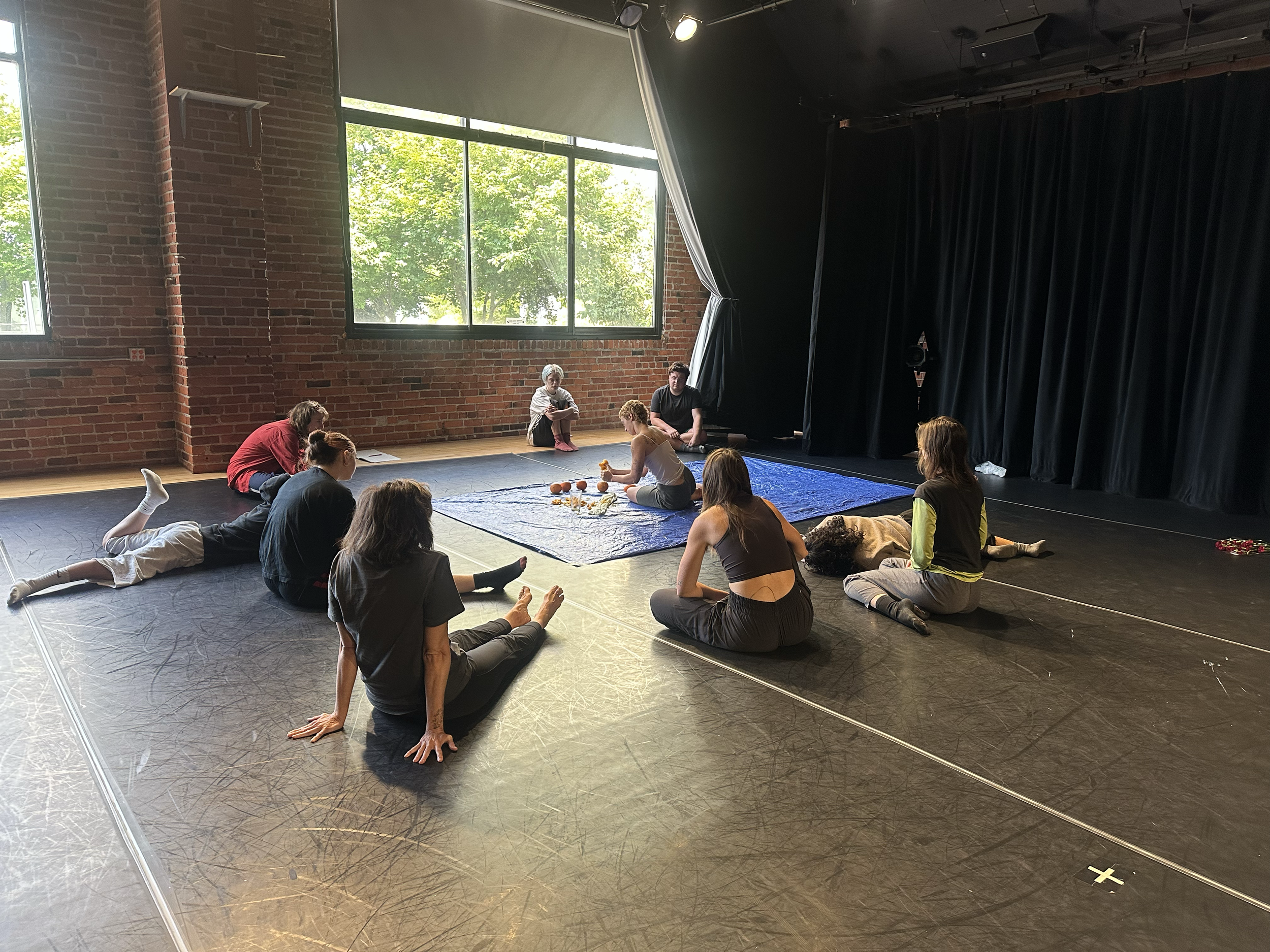
These workshops serve as a start towards dynamically bridging the gap between different dance and art communities both in and outside of Seattle. To date, FORM/S has served 200 diverse dancers, invited over 100 members of the community to open showings and conversations, provided five full and five partial scholarships, and five work-study positions. The guest artists and Zoe co-create curriculum that is pertinent to their current research and process, shaping the structure of FORM/S to support the synthesizing of their teaching and creative practice. FORM/S artist faculty include: Gilbert T Small II, Dani Tirrell, Juniper Shuey and Zoe Scofield.
I started FORM/S in 2018 (with the help of the ever amazing Shane Donohue )! I saw a need for dancers to be able to continue (or restart) a rigorous practice, go beyond a single class with an artist, push themselves as thinkers, dancers and makers, and expand their dance community. Basically, I missed being in summer festivals or conservatory programs where you take multiple classes and workshops a day for week/s. There is some sort of magic that happens at that level of focus with a bunch of artists working and learning together. I thought, If I am craving that, other dancers might want to be as well.
I also recognized that not everyone has access to or wants to go to months-long festivals or a conservatory or University. (I dropped out of my conservatory at the end of my freshman year so... It’s not for everyone.)
What about that time in between projects? Or in between graduating and getting hired by a company or choreographer? How do dancers continue to train, to learn about choreographers, movement styles, the growing field and work that is being made?
How do we continue to refine and deepen as an artist while trying to work multiple jobs to pay rent, eat, pay off student loans, health insurance, etc., etc.?
FORM/S is how I'm working to bridge that gap. I want/ed to open up a space of study and access to artists’ process on a more do-able level of commitment and cost. I want/ed to make containers of continual growing and deepening of our crafts as dancers, teachers, makers and artists.
I started teaching in 2007 because it was always a part of our required community engagement while touring. I had some experience in teaching since I was teaching yoga for about 4 years by then, but I really didn’t have any confidence in teaching dance or making art. I also didn’t think anyone would be interested in what I had to say or that it would make that much of an impact on them. (I had big time imposter syndrome for a while!) I didn’t know or understand the indirect effect teaching, creating and making together has on people. With time and experience, I began to see the subtle ripple outward in my life and the lives of others that our interactions either in class, performance or otherwise have had. I now know that I can’t underestimate what I don’t immediately see and that we might never see the lasting effect and impressions we leave on each other. Art making for me is SO much more than an audience watching something I have made. It is a type of communion that continues well past me, taking on its own life and agency. I am grateful for the opportunity to share space, knowledge and experience with others- in many forms- be it teaching, creating or supporting others in their own process. I really believe, and have experienced, the profound value in creating the culture we want to see in the world in our own processes. Be it rehearsals, creative processes, workshops, one off classes, mentoring and more. This cannot help but ripple out into the world, as all of the participants who help create the culture of each class, workshop and creative process, carry it into the rest of their lives. The work continues beyond us. This is our form of quiet activism.
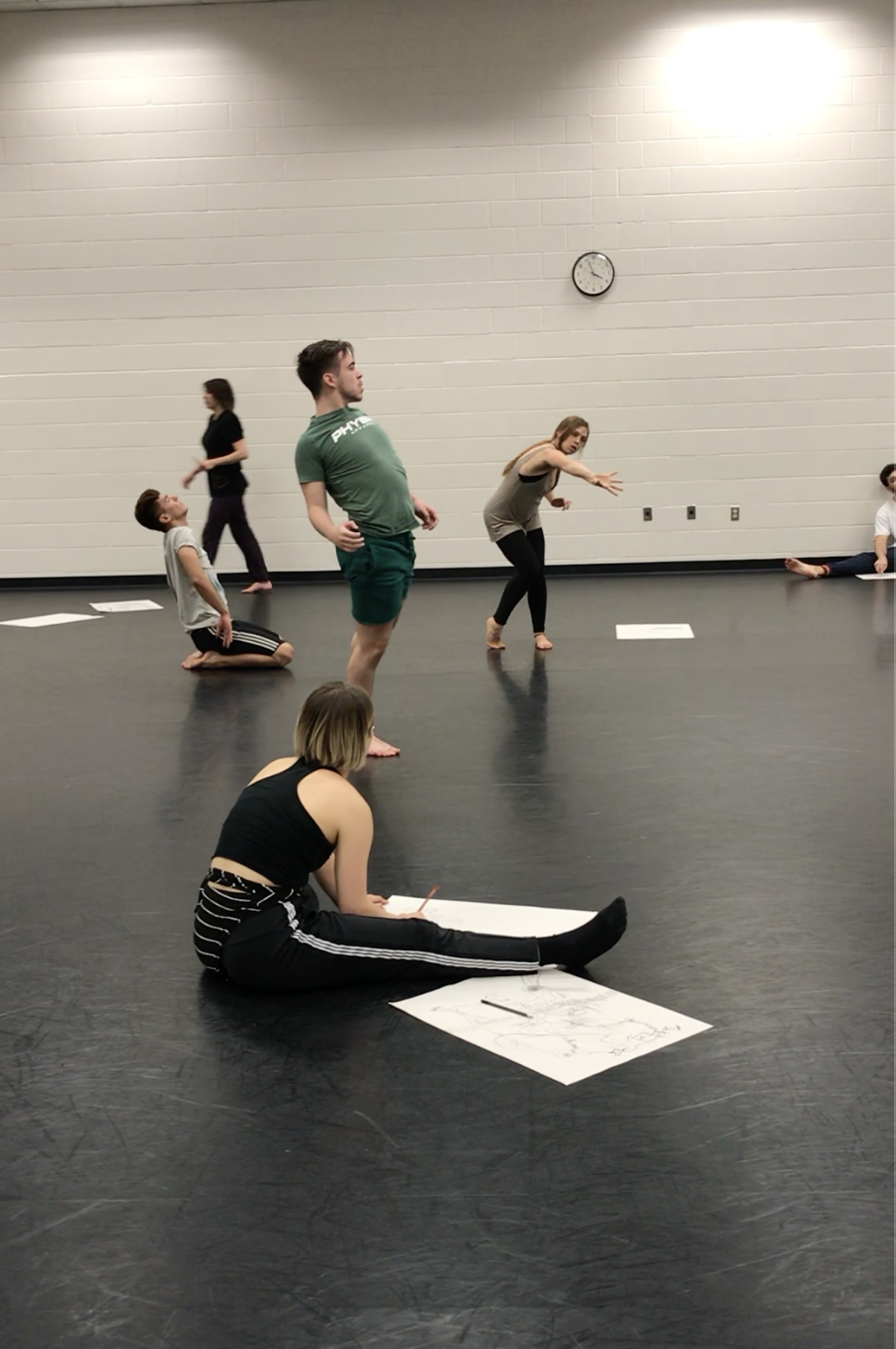
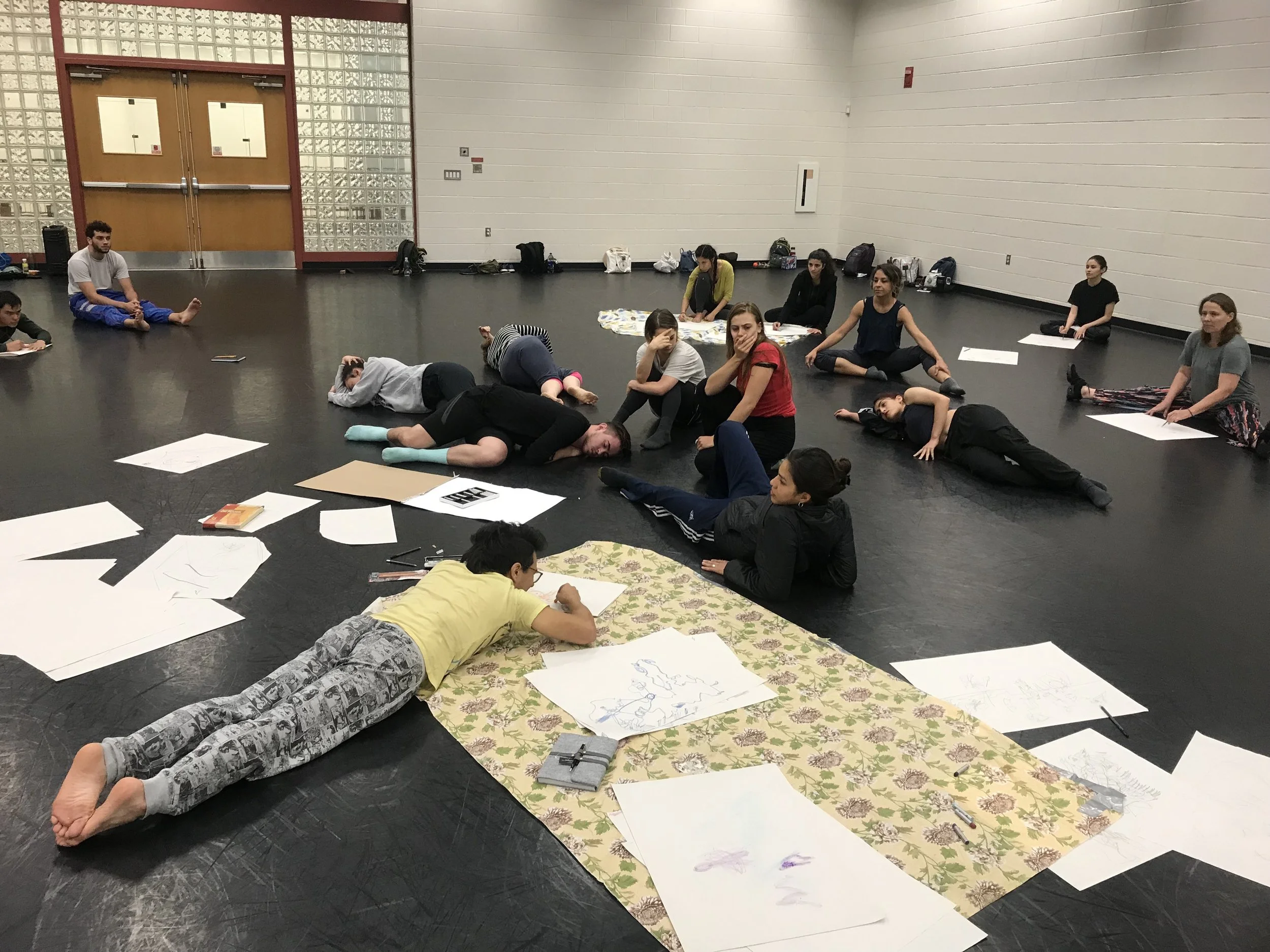
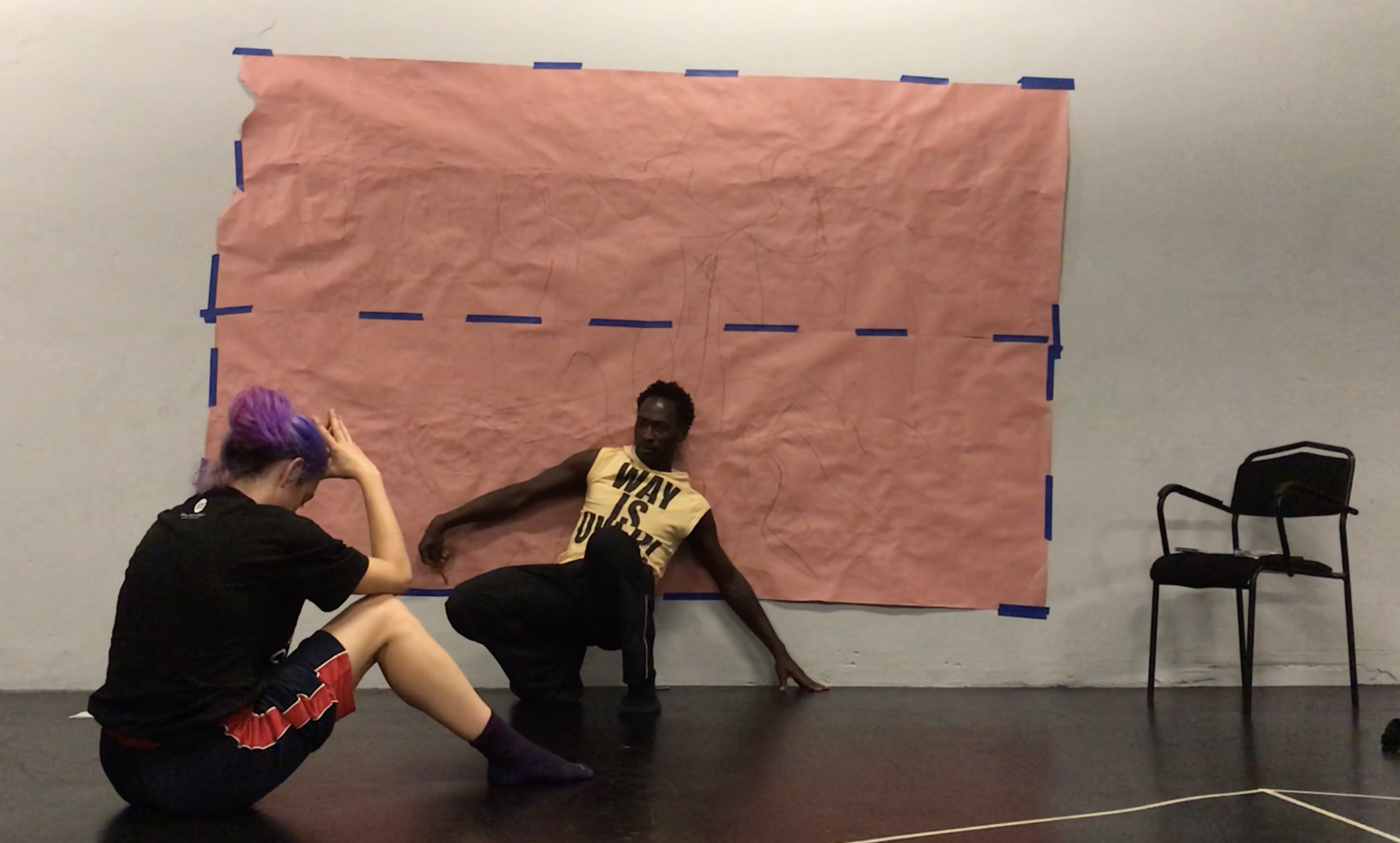
“...having a space to workshop something I'm working on and share it with other artists and receive feedback is so valuable…I loved starting out with the drawing exercises since it got all of us straight into the practice of observing and doing and engaging with each other without getting too caught up in our own work. I prefer doing that for the whole first day before diving straight into sharing work. I thought it was a good balance of both. Starting each day with a short activity together could be a great way for the group to get attuned with one another. … I thought even though we were all movement artists, there was still a diverse range of frameworks. sharing with people who are creating work in very different frameworks was both challenging and valuable…there is a specific lens and approach for creating and so the feedback is different when coming from people who have diverse approaches to creating movement work.”
Hana- FORM/S participant
Past FORM/S
DEEPENING YOUR CREATIVE PRACTICE
A collaboration between Zoe Scofield and slowdanger in May 2026. Learn more here.
DECOLONIZING THE BODY THROUGH MOVEMENT
FORM/S brings together choreographers, dancers, artists, and educators Dani Tirrell and Zoe Scofield to engage with the daunting task of analyzing colonized and decolonized choice making. Dani and Zoe are asking the following questions: What is the function of our training? How can movement lead to self betterment? What is the history behind what we are doing? Are our choices of free will, or are we standing on the shoulders of our past? Rather than learn “right and wrong” opinions regarding dance and decolonization, artists are invited to participate in verbal and physical conversation with Dani and Zoe in order to reveal an individual perspective within themselves. This workshop explores questions regarding decolonization, and it is understood that we will not and cannot resolve the topic in four days. However, we hope that the discourses initiated with this workshop can continue into other FORM/S workshops, as well as into the broader communities of dance and visual arts. Catalyze the conversation.
contemporary ballet as creative expression
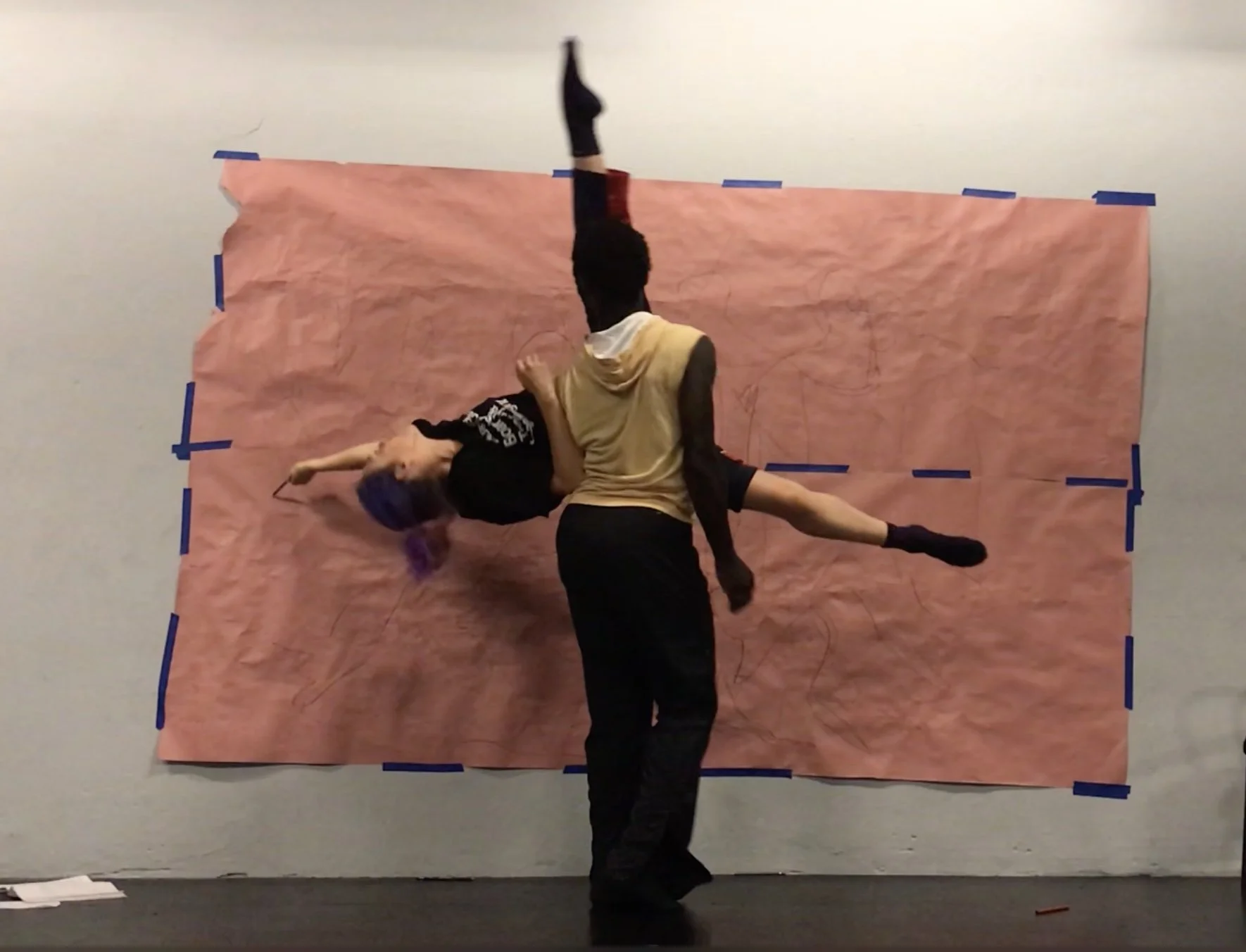
Gilbert Small and Zoe Scofield tease apart the form of contemporary ballet, examining technique as a tool for expression. Weaving together a kind approach to technical practice with creative exploration, dancers will explore how each playfully informs the other. Drawing, improvisation and physical research into the technical aspects of ballet will allow us to go deeper, accessing greater potential for expression.
Some familiarity with ballet vocabulary is recommended. All levels are encouraged to engage with the practice at their own level.